Every year, preventable accidents occur during equipment servicing—workers injured, operations halted, fines issued. At the heart of most incidents: a missing or poorly executed lockout tagout (LOTO) evaluation form. It’s not just paperwork. It’s the legal and procedural backbone of energy control during maintenance.
Yet, in facilities across manufacturing, utilities, and processing plants, the LOTO evaluation form is treated as a compliance afterthought—filled out hastily, stored incorrectly, or worse, not used at all. The result? A false sense of safety. This guide breaks down what a real LOTO evaluation form does, how to use it effectively, and the critical mistakes that undermine its purpose.
What Is a Lockout Tagout Evaluation Form?
A lockout tagout evaluation form is a standardized document used to assess and verify that energy control procedures are correctly designed, implemented, and followed during maintenance or servicing of machinery. It’s more than a checklist—it’s a compliance audit tool that ensures all hazardous energy sources are isolated and equipment remains inoperable until service is complete.
Unlike a LOTO procedure (which details how to lock out a machine), the evaluation form measures whether the procedure is effective, up to date, and consistently followed by authorized employees.
Key Components of a Proper Evaluation Form
A high-quality LOTO evaluation form should include:
- Equipment identification (name, ID number, location)
- Date and time of evaluation
- Evaluator’s name and role
- List of energy sources (electrical, pneumatic, hydraulic, thermal, chemical, etc.)
- Verification of isolation methods
- Review of written LOTO procedures
- Observation of employee compliance
- Deficiencies or deviations noted
- Corrective actions required
- Sign-off from safety officer or supervisor
Without these elements, the form is incomplete—and legally insufficient.
Why the Evaluation Form Matters More Than You Think
OSHA’s standard 29 CFR 1910.147 requires employers to conduct periodic inspections of energy control procedures—at least annually. But compliance isn’t just about ticking a box. The evaluation form is the primary evidence that your LOTO program is functioning.
Consider this: during an OSHA audit, an inspector won’t ask to see how many locks you have. They’ll ask for your evaluation records. If you can’t produce properly filled-out forms with documented observations and corrective actions, you’re at risk of citations—fines can exceed $15,000 per violation.
Real-World Example: The Conveyor Belt Incident
A food processing plant in Indiana had a written LOTO procedure for its conveyor system. On paper, everything looked compliant. But during a routine evaluation, the safety officer discovered that maintenance techs were bypassing the pneumatic release valve—assuming depressurization was automatic.
The evaluation form captured this deviation. The team reviewed the procedure, added a manual verification step, and retrained staff. Three months later, that same conveyor needed emergency service. Because the updated procedure was followed—verified via a new evaluation—the technician avoided a serious crush injury.
This is why the form isn’t paperwork—it’s a prevention tool.
How to Conduct a Valid LOTO Evaluation (Step-by-Step)
A proper evaluation isn’t a desk exercise. It requires observation, verification, and documentation. Follow this workflow:
Step 1: Schedule the Evaluation in Advance Align with maintenance teams to observe a real servicing event. Never evaluate a “dry run” unless it’s a training session.
Step 2: Gather the Written LOTO Procedure Ensure you have the latest version approved by safety management.
Step 3: Observe the Lockout Process Watch as an authorized employee performs the shutdown: - Are all energy sources identified? - Are locks and tags applied correctly? - Is verification of zero energy conducted?
Step 4: Interview the Employee Ask them to explain why each step exists. If they can’t, it’s a training gap.
Step 5: Complete the Evaluation Form Note any deviations—even minor ones. For example: - Using a group lockbox without proper coordination - Tagging a disconnect but not testing for zero energy
Step 6: Assign and Track Corrective Actions No finding should be left unresolved. Set deadlines and follow up.
Common Mistakes That Invalidate LOTO Evaluations
Even experienced safety managers make these errors:
| Mistake | Why It Fails |
|---|---|
| Using a generic template | Fails to reflect site-specific hazards |
| Evaluating without observing actual lockout | Paper review misses real-world gaps |
| Not involving the employee being observed | Reduces accountability and learning |
| Failing to document corrective actions | No proof of continuous improvement |
| Storing forms electronically without backup | Risk of loss during audits |
One Midwest refinery received a willful citation after an inspector found evaluation forms were “signed” but lacked any notes, observations, or dates. The forms were blank except for signatures—clearly retrofitted. OSHA ruled it fraudulent.
Don’t let your forms become proof of negligence.
What to Look for in a LOTO Evaluation Form Template
Not all templates are created equal. A strong form should be:
- Machine-specific, not generic
- Sequential, matching the actual lockout steps
- Clear in language, avoiding jargon
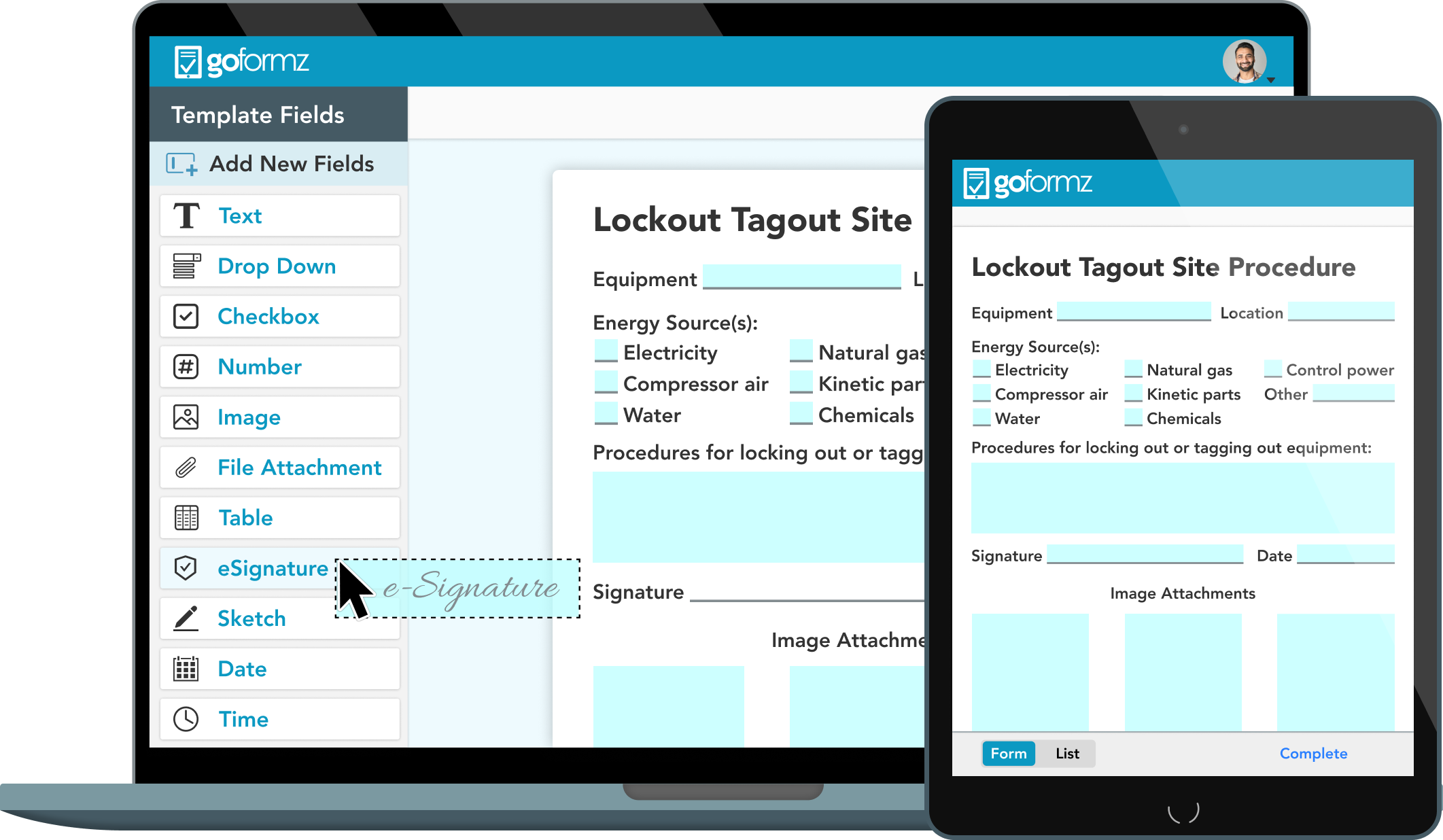
- Designed for field use (printable, tablet-friendly)
- Version-controlled with revision dates
Avoid templates that look like they were copied from a blog. Invest in ones tailored to your industry and equipment types.
Sample Form Sections (Adaptable Example)
1. Equipment Details - Machine Name: Hydraulic Press #4 - ID: HP-04-2021 - Location: Production Floor, West Wing
2. Energy Sources Present - [x] Electrical (480V) - [x] Hydraulic (Pressurized fluid) - [ ] Pneumatic - [x] Stored mechanical (flywheel)
3. Procedure Review - Written procedure available: Yes - Last updated: March 12, 2023 - Reviewed with employee: Yes
4. Observations During Lockout - Lock applied to main disconnect: Yes - Tag includes name and reason: Yes - Zero energy verified by tester: Yes - Group lockout used: No
5. Deviations Noted - Employee skipped hydraulic bleed-down step - No secondary verification of pressure gauge
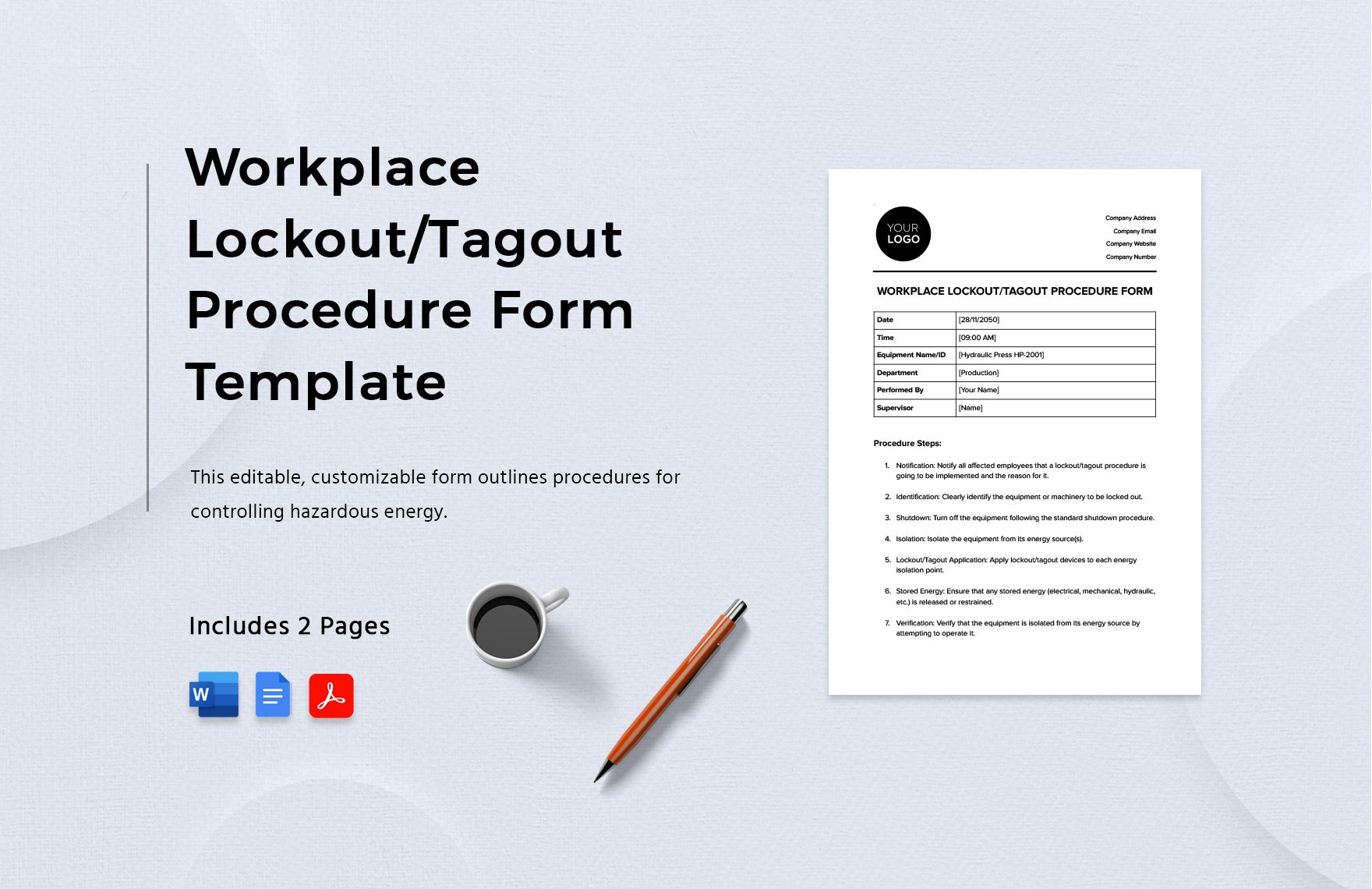
6. Corrective Actions - Retrain employee on bleed-down sequence - Update procedure to include dual verification - Due date: May 15 | Completed: [ ]
Digital vs. Paper-Based LOTO Evaluation Forms
The shift to digital forms is accelerating—but it’s not always the right move.
| Factor | Paper Forms | Digital Forms |
|---|---|---|
| Accessibility | Always available, no tech needed | Requires devices and network |
| Real-time updates | No | Yes, with cloud sync |
| Audit trail | Manual, prone to loss | Automatic, timestamped |
| Integration | None | Can link to CMMS, ERP |
| Training support | Limited | Can embed videos, prompts |
For remote or high-interference environments (e.g., steel mills), paper still wins. In facilities with integrated safety management systems, digital tools reduce duplication and improve tracking.
Top 5 LOTO Evaluation Form Tools
- EHS Insight
- - Cloud-based safety platform with customizable LOTO evaluation templates
- - Strengths: Mobile app, automated reminders, audit-ready reporting
- SafetyCulture (iAuditor)
- - Drag-and-drop form builder with real-time photo capture
- - Ideal for field evaluations with visual documentation
- LockOut/TagOut Pro by Seton
- - Industry-specific templates and training modules
- - Best for companies needing OSHA-aligned forms fast
- FramoSoft LOTO Manager
- - On-premise software for large manufacturers
- - Offers workflow automation and compliance dashboards
- Custom PDF Templates (via Adobe Workfront or MS Word)
- - Free or low-cost option
- - Requires manual version control but highly flexible
Choose based on your team size, tech maturity, and compliance needs.
Who Should Conduct the Evaluation?
Only two people should perform a LOTO evaluation:
- A safety officer or designated auditor (not involved in the lockout)
- A supervisor trained in energy control procedures
The evaluated employee must not audit themselves. OSHA requires an independent observer.
Also, the evaluator doesn’t need to perform the lockout—but they must understand each step and verify it was done correctly.
Closing the Loop: From Evaluation to Continuous Improvement
A LOTO evaluation form is useless if it ends in a file drawer. The real value comes from acting on findings.
Create a monthly safety review meeting where evaluation results are discussed. Track recurring issues—like repeated failure to verify zero energy—and address them with retraining, procedure updates, or engineering controls.
One chemical plant reduced LOTO deviations by 70% in six months simply by posting evaluation summaries on bulletin boards and recognizing teams with clean audits.
Make the form a living document, not a compliance relic.
Final Thoughts: Make the Form Work for You
A lockout tagout evaluation form isn’t about pleasing auditors. It’s about proving—every 12 months at minimum—that your people are safe when machines are down. Use it to catch flaws before they cause harm. Demand thoroughness. Reject shortcuts.
Fill it out completely. Review it with your team. Act on every finding. That’s how you turn a compliance requirement into a culture of safety.
Start today: pull your last evaluation form. Is it detailed? Signed? Followed up? If not, it’s time to raise the standard.
FAQ
What should you look for in Lockout Tagout Evaluation Form: A Practical Guide to Compliance? Focus on relevance, practical value, and how well the solution matches real user intent.
Is Lockout Tagout Evaluation Form: A Practical Guide to Compliance suitable for beginners? That depends on the workflow, but a clear step-by-step approach usually makes it easier to start.
How do you compare options around Lockout Tagout Evaluation Form: A Practical Guide to Compliance? Compare features, trust signals, limitations, pricing, and ease of implementation.
What mistakes should you avoid? Avoid generic choices, weak validation, and decisions based only on marketing claims.
What is the next best step? Shortlist the most relevant options, validate them quickly, and refine from real-world results.