Every year, hundreds of workplace injuries and fatalities stem from unexpected equipment startup during maintenance. These incidents are almost always preventable. The key lies in a deceptively simple concept: lock out tag out locks. These aren’t just accessories—they’re frontline defenses in industrial safety, designed to isolate energy sources and keep workers safe while machines are serviced.
Despite widespread awareness, misuse, inconsistency, and poor implementation persist. The result? Near-misses, compliance failures, and in worst cases, irreversible harm. Understanding the role, types, and best practices around lock out tag out locks isn’t optional. It’s a non-negotiable component of responsible operations.
What Are Lock Out Tag Out Locks?
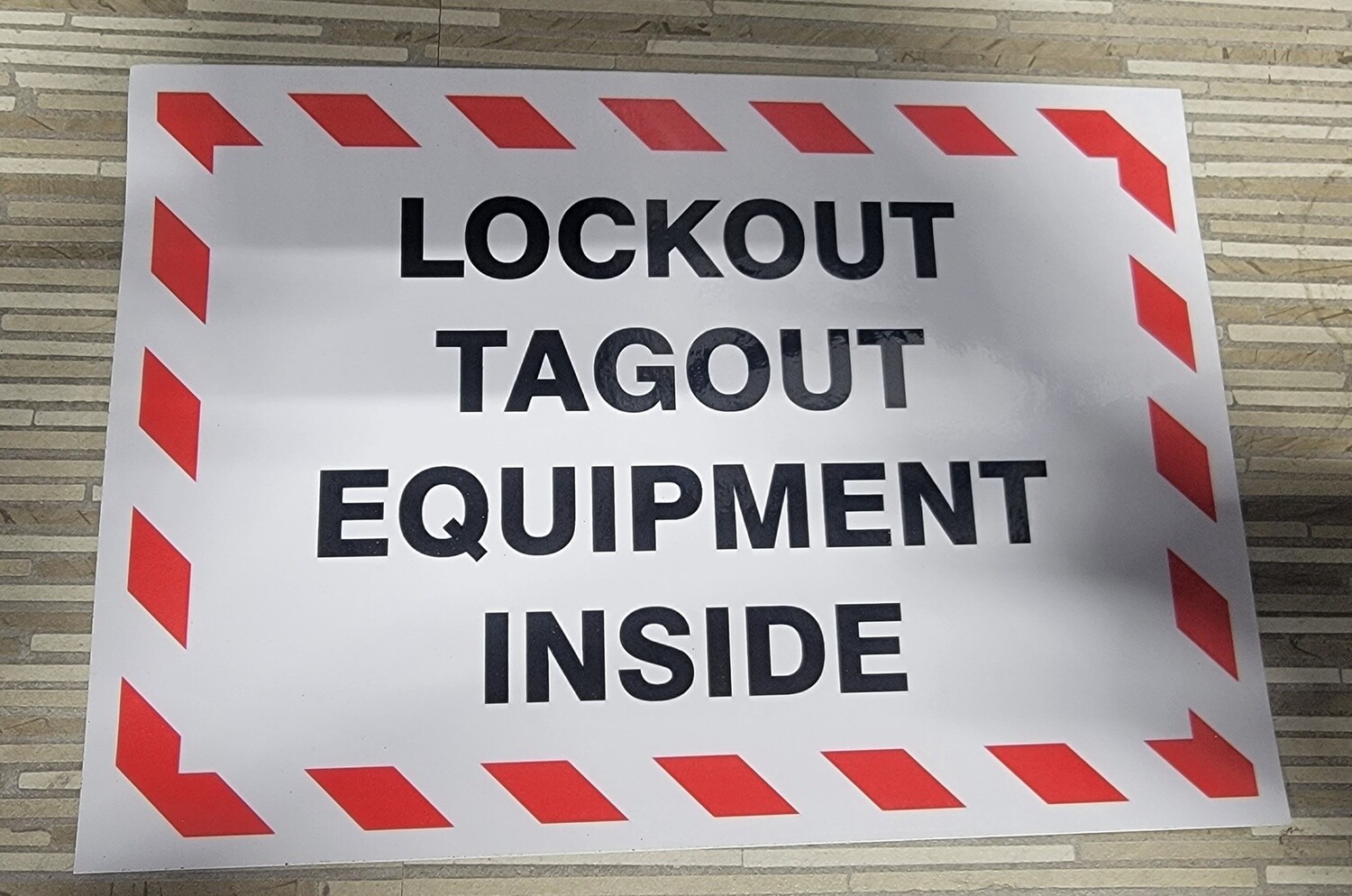
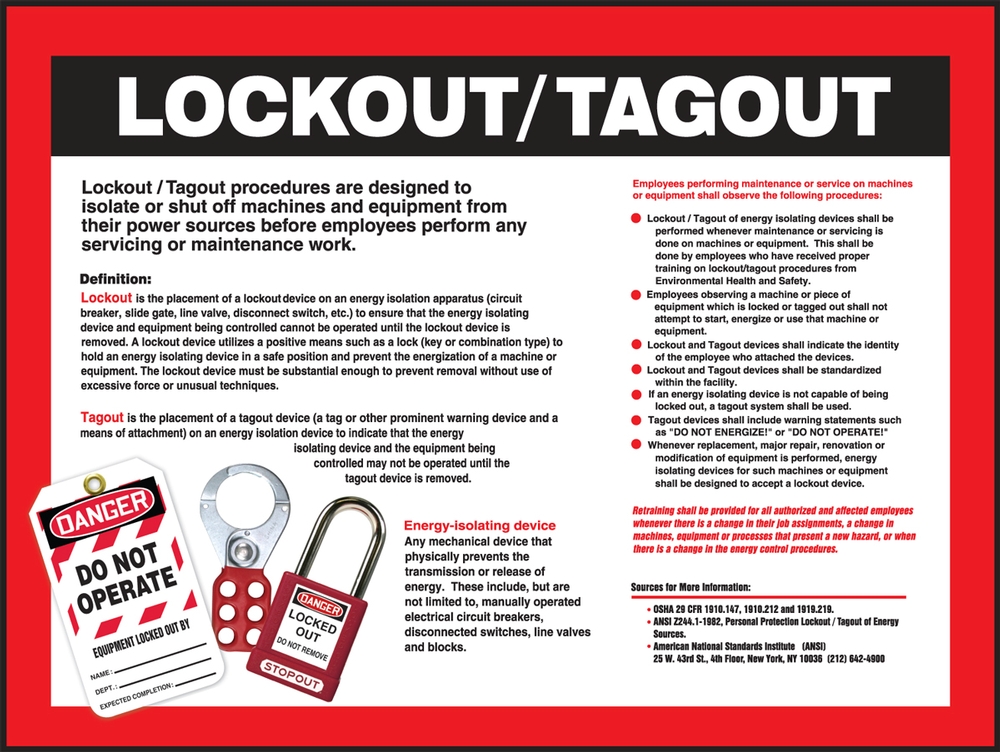
Lock out tag out (LOTO) locks are physical devices used to secure energy-isolating mechanisms—like circuit breakers, valves, or disconnect switches—during maintenance or servicing. When affixed, they prevent the accidental or unauthorized re-energization of equipment.
A lock out tag out system typically includes: - A padlock or group lock applied directly to the energy isolation point - A durable tag detailing who applied the lock, when, and why - A documented procedure outlining the safe shutdown and isolation steps
These locks are often color-coded or uniquely keyed to individual workers. This personal accountability ensures that only the person who installed the lock can remove it—no exceptions.
For example, an electrician working on a conveyor motor will place their personal lock on the circuit breaker. Even if a shift change occurs, the machine stays locked until that specific worker returns and removes the lock, verifying the area is clear and safe to restart.
Why Lock Out Tag Out Locks Prevent Catastrophes
Industrial machinery stores energy in various forms: electrical, hydraulic, pneumatic, thermal, and mechanical. When not properly isolated, this stored energy can release violently—leading to crushing, electrocution, or uncontrolled motion.
Consider a real-world scenario: A technician clears a jam in a packaging machine. The system appears off, but the hydraulic accumulator still holds pressure. If the circuit is not locked out, the machine could reactivate mid-repair, causing severe injury.
LOTO locks eliminate this risk by ensuring a verified zero-energy state. They act as a physical manifestation of safety protocol—a clear "do not operate" signal visible to everyone.
Beyond injury prevention, OSHA estimates that proper LOTO practices can reduce related accidents by up to 80%. That’s not just a safety win—it’s a productivity, compliance, and liability win.
Common Types of Lock Out Tag Out Locks
Not all LOTO locks are interchangeable. Choosing the right type depends on the energy source, environment, and application. Here are the most widely used variants:
1. Padlocks These are the backbone of most LOTO programs. Made from non-conductive materials like nylon or brass, they resist corrosion and conductivity. Many come with unique keying or coded systems to prevent unauthorized duplication.
Use case: Electrical panels, breaker boxes, or control circuit isolation.

2. Valve Lockouts Designed to secure gate, ball, or butterfly valves. These devices clamp around the valve handle, preventing rotation. Some models include universal straps to fit various valve sizes.
Use case: Chemical processing plants, water treatment facilities.
3. Circuit Breaker Locks
These slide over breaker toggles, keeping them in the OFF position. They’re often made of durable polymer and accommodate multiple locks for group lockout scenarios.
Use case: Maintenance on industrial HVAC systems or power distribution units.
4. Plug and Cord Locks Prevent electrical cords from being inserted into outlets. Common in settings where portable tools are repaired or serviced.
Use case: Equipment repair bays, mobile maintenance crews.
5. Hasp Locks Used when multiple workers need to lock out a single energy source. A hasp allows several padlocks to be applied, ensuring each technician approves restart.
Use case: Complex machinery requiring team-based maintenance.
Each type serves a specific function, but their effectiveness hinges on correct application and worker training.
How to Implement a LOTO Lock Program the Right Way
A lock without a process is just plastic and metal. A successful LOTO program requires more than hardware—it demands structure, education, and enforcement.
Start with these core steps:
- Conduct an Energy Audit
- Identify every piece of equipment that requires servicing and map its energy sources. This includes primary power and secondary stored energy.
- Develop Written Procedures
- For each machine, create a step-by-step shutdown and isolation protocol. Include lock points, verification methods, and required PPE.
- Train and Certify Workers
- Ensure all affected and authorized employees understand the procedures. Training must cover not just how to apply locks, but how to verify isolation.
- Audit and Enforce Regularly
- Monthly inspections help catch deviations. Use surprise audits to assess real-world compliance, not just paperwork.
One common mistake? Assuming one-size-fits-all procedures. A CNC machine and a boiler may both need LOTO, but their lock points and verification steps differ significantly. Customization is essential.
Another pitfall: using generic padlocks without worker-specific identification. If a lock isn’t tied directly to a person, accountability vanishes. Always use individual locks with clear ID tags.
Top 5 Lock Out Tag Out Lock Systems in Use Today
Choosing reliable LOTO equipment matters. Poorly designed locks can break, jam, or fail under stress. Here are five trusted systems used across industries:
| System | Key Features | Best For |
|---|---|---|
| Grace Industries LOTO Kits | Modular, ANSI-compliant, color-coded locks | Manufacturing plants |
| Brady LOTO Solutions | Durable non-conductive locks, tag printers | Utilities and energy |
| Honeywell Sperian Lockout | High-visibility tags, corrosion-resistant | Offshore and marine |
| 3M Lockout Devices | Lightweight, universal fit straps | Multi-site operations |
| Master Lock LOTO Center | Centralized lock storage, audit-ready | Facilities with high turnover |
Each offers scalability, durability, and compliance support. For maximum effectiveness, pair hardware with digital tracking solutions—some systems integrate QR codes for lock status monitoring.
Integrating LOTO Locks into Safety Culture

Equipment failure is rarely the root cause of LOTO incidents. More often, it’s human behavior: rushing, complacency, or a "this won’t happen to me" mindset.
To shift the culture: - Make lockout a visible ritual, not a hidden step - Empower junior workers to stop work if LOTO isn’t applied - Recognize teams that maintain flawless LOTO records
In one automotive plant, supervisors began starting shift meetings with a LOTO review—highlighting recent applications and near-misses. Within six months, compliance rose from 72% to 98%.
Leadership visibility reinforces priority. When managers wear their own locks and participate in shutdowns, it signals that safety isn’t a policy—it’s a practice.
Limitations and Real-World Challenges
Even the best LOTO programs face obstacles.
- Shift handovers: If a worker applies a lock and doesn’t return, strict procedures must govern lock removal—typically involving supervisors and verification protocols.
- Contractor coordination: Third-party technicians may not follow site-specific LOTO rules. Pre-job briefings are essential.
- Temporary bypasses: Some workers disable interlocks for "quick fixes." This undermines the entire system and must be treated as a serious violation.
Another under-discussed issue: environmental damage. In high-humidity or abrasive settings, standard plastic locks degrade. Using stainless steel or reinforced polymer versions extends life and reliability.
Final Steps: Making LOTO Locks Work for Your Site
Lock out tag out locks are more than metal and tags—they’re symbols of responsibility. Their power doesn’t come from locking a switch, but from creating a culture where safety is non-negotiable.
- To act today:
- Audit your current LOTO practices—identify gaps in equipment, training, or procedure
- Invest in worker-specific locks with tamper-proof tags
- Update written procedures with machine-specific steps
- Conduct unannounced drills to test readiness
Compliance is the baseline. Protection is the goal. With the right locks, processes, and mindset, preventing energy-related injuries isn’t just possible—it’s inevitable.
FAQ
What is the difference between lockout and tagout? Lockout uses a physical lock to prevent equipment activation, while tagout relies on a warning tag. Lockout is preferred because it provides physical restraint.
Can one lock be used by multiple people? No. Each worker must apply their own lock. Group lockout uses a hasp to secure multiple individual locks on one isolation point.
Are OSHA-compliant LOTO locks required? Yes. OSHA standard 29 CFR 1910.147 mandates the use of lockout devices during servicing of machinery with hazardous energy.
What materials are LOTO locks made from? Common materials include nylon, brass, and stainless steel—chosen for durability, non-conductivity, and corrosion resistance.
Do LOTO locks need to be a specific color? While not required, red is standard for high visibility. Some sites use color-coding by department or energy type.
Can a tag alone be used instead of a lock? Only if a lock can’t be applied and a documented exception exists. Tagout alone is less secure and requires additional safety measures.
How often should LOTO procedures be reviewed? At least annually, or whenever equipment, processes, or personnel change significantly.
FAQ
What should you look for in Lock Out Tag Out Locks: Essential Safety Tools for Workplaces? Focus on relevance, practical value, and how well the solution matches real user intent.
Is Lock Out Tag Out Locks: Essential Safety Tools for Workplaces suitable for beginners? That depends on the workflow, but a clear step-by-step approach usually makes it easier to start.
How do you compare options around Lock Out Tag Out Locks: Essential Safety Tools for Workplaces? Compare features, trust signals, limitations, pricing, and ease of implementation.
What mistakes should you avoid? Avoid generic choices, weak validation, and decisions based only on marketing claims.
What is the next best step? Shortlist the most relevant options, validate them quickly, and refine from real-world results.